Trezor.io/start: Your First Step Toward True Crypto Ownership
Introduction
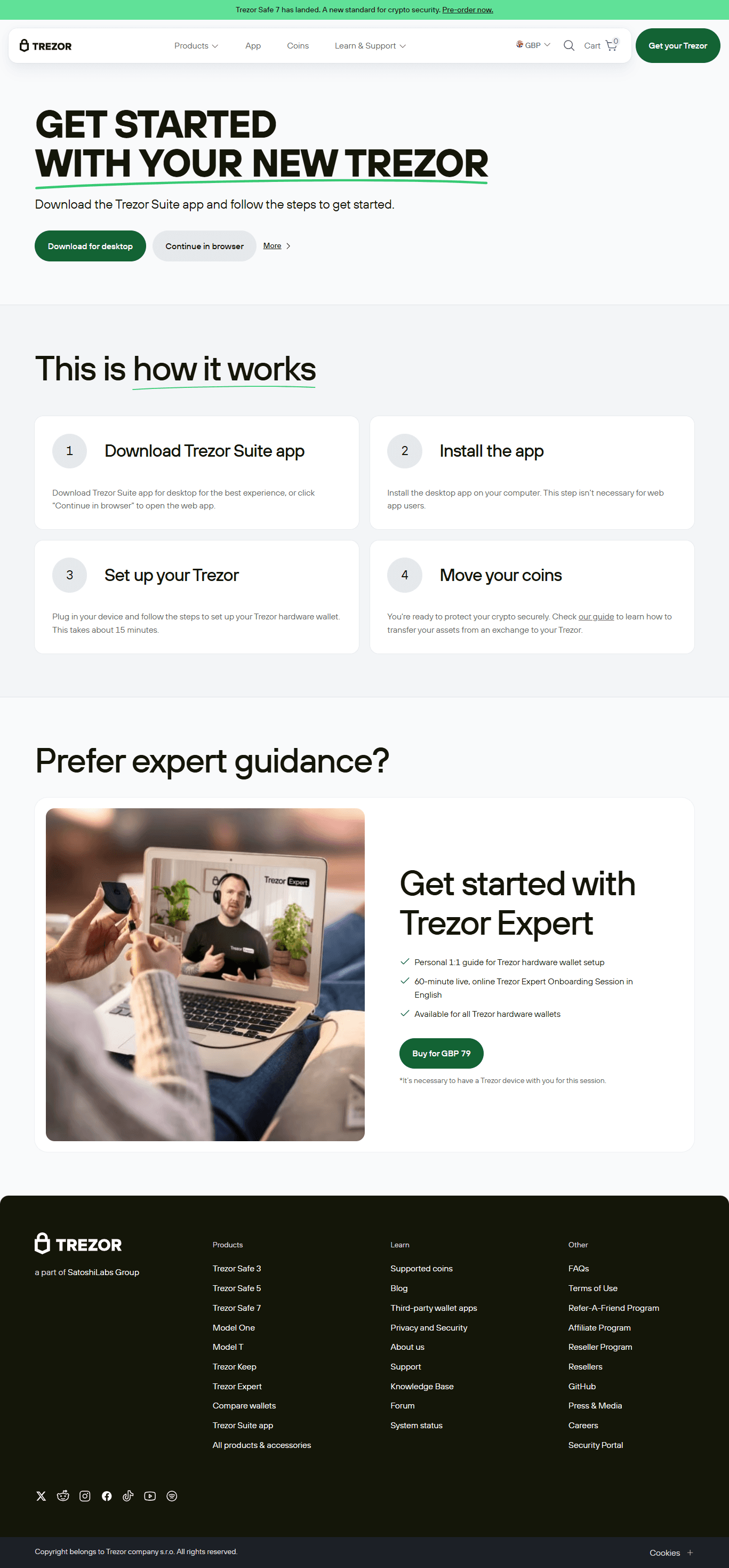
Trezor.io/start is the official setup destination for initializing a Trezor hardware wallet. It marks the transition from keeping cryptocurrency on exchanges or software wallets to full self-custody. This page is carefully designed to guide users through a secure setup process that ensures private keys remain offline and entirely under user control.
For anyone serious about protecting digital assets, understanding and properly using Trezor.io/start is essential.
Why Trezor.io/start Exists
The crypto ecosystem is filled with fake wallet apps, phishing websites, and malicious downloads. Trezor.io/start exists to eliminate these risks by providing a single trusted source for device setup.
It ensures users:
Interact only with official Trezor software
Install authentic firmware
Generate wallets in a secure offline environment
Avoid counterfeit tools and scams
This controlled environment protects users from mistakes that could permanently compromise funds.
Understanding Hardware Wallet Security
A hardware wallet differs from online wallets in one crucial way: private keys never touch the internet. During setup, Trezor generates cryptographic keys inside the device itself.
What This Means for Users
No third party can access your funds
Malware on your computer cannot steal private keys
Transactions must be physically approved on the device
Trezor.io/start ensures this security model is preserved from the very beginning.
What to Do Before Visiting Trezor.io/start
Preparation is a vital part of secure wallet setup.
Recommended Checklist
Use a private computer you trust
Avoid public or shared networks
Have pen and paper ready for backups
Ensure no one is watching your screen
Rushing the setup process can lead to irreversible errors.
Connecting the Trezor Device
Once connected, the device communicates securely with your computer.
Key Points During Connection
The device should power on immediately
Packaging should show no signs of tampering
No pre-installed firmware should be present
Any irregularity at this stage should be treated seriously.
Firmware Installation and Verification
Firmware is the operating system of the hardware wallet. Installing it through Trezor.io/start guarantees authenticity.
Why This Step Is Critical
Confirms device integrity
Protects against altered firmware
Enables coin and account functionality
The device itself verifies firmware signatures, adding an extra layer of trust.
Wallet Initialization Process
During wallet creation, cryptographic keys are generated securely.
What Happens Behind the Scenes
Random entropy is generated on the device
A unique wallet structure is created
No data is transmitted externally
This process ensures no one—not even Trezor—has access to your keys.
Recovery Phrase: The Core of Wallet Ownership
The recovery phrase is the single most important element of your wallet.
Key Facts About the Recovery Phrase
Represents full control of your funds
Works across compatible wallets
Must be stored securely and privately
Anyone with this phrase can restore the wallet and access assets.
Safe Storage Strategies for Recovery Phrases
Proper storage is just as important as generation.
Best Practices
Store offline only
Keep multiple secure copies
Protect from fire and water
Never share or digitize
Many users choose metal backups for long-term durability.
Setting Up PIN Protection
A PIN protects the device from unauthorized physical access.
How PIN Security Works
Required on every device connection
Incorrect attempts increase delay times
Prevents brute-force access
Even if someone steals the device, the PIN protects your funds.
Daily Use After Setup
Once configured, the wallet is ready for regular use.
Common Activities
Receiving cryptocurrency securely
Sending funds with on-device confirmation
Viewing balances and transaction history
Managing multiple accounts
Every transaction requires physical approval, keeping
you in control at all times.
Asset Compatibility and Network Support
Trezor supports a wide range of cryptocurrencies and token standards. Support depends on the specific model and firmware version.
Users should always confirm compatibility before transferring large balances.
Ongoing Security Responsibilities
Owning a hardware wallet means taking responsibility for security.
Important Habits
Verify addresses on the device screen
Keep firmware up to date
Avoid unofficial wallet software
Monitor transaction confirmations carefully
Security is not a one-time task—it’s an ongoing practice.
Mistakes That Can Lead to Asset Loss
Many losses happen due to avoidable errors.
Common Risks
Buying used hardware wallets
Storing recovery phrases digitally
Entering recovery words online
Falling for fake support messages
Awareness is your strongest defense.
Who Benefits Most from Trezor.io/start
This setup process is ideal for:
Long-term crypto holders
High-value portfolio owners
Privacy-focused individuals
Beginners transitioning to self-custody
Anyone seeking independence from centralized platforms can benefit.
Conclusion
Trezor.io/start is more than a setup page—it is the foundation of secure crypto ownership. By following the official process, users ensure their hardware wallet is genuine, their keys are generated safely, and their recovery phrase is protected from the very beginning.
Proper setup through Trezor.io/start empowers users with full control, maximum security, and peace of mind in managing digital assets.